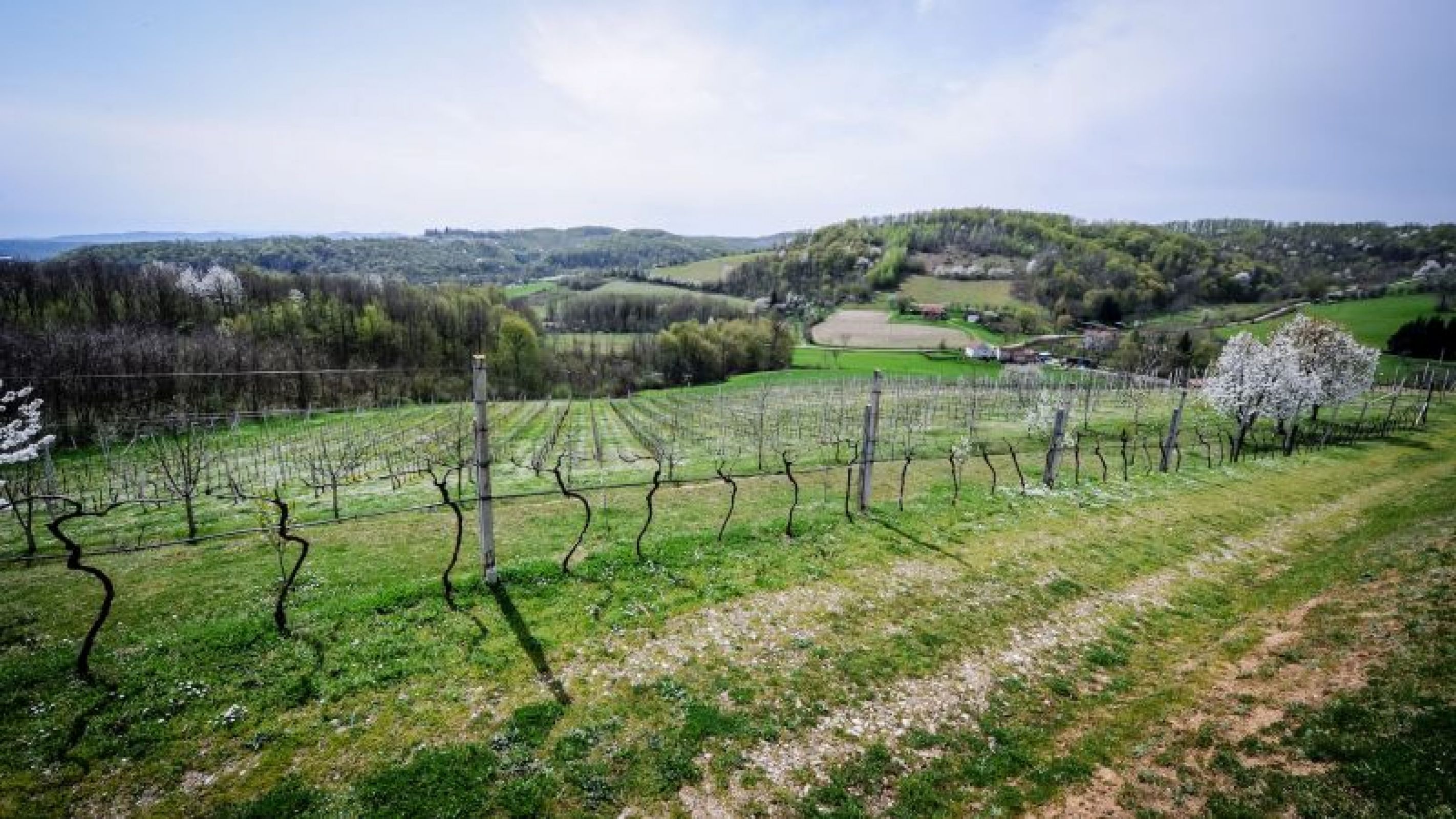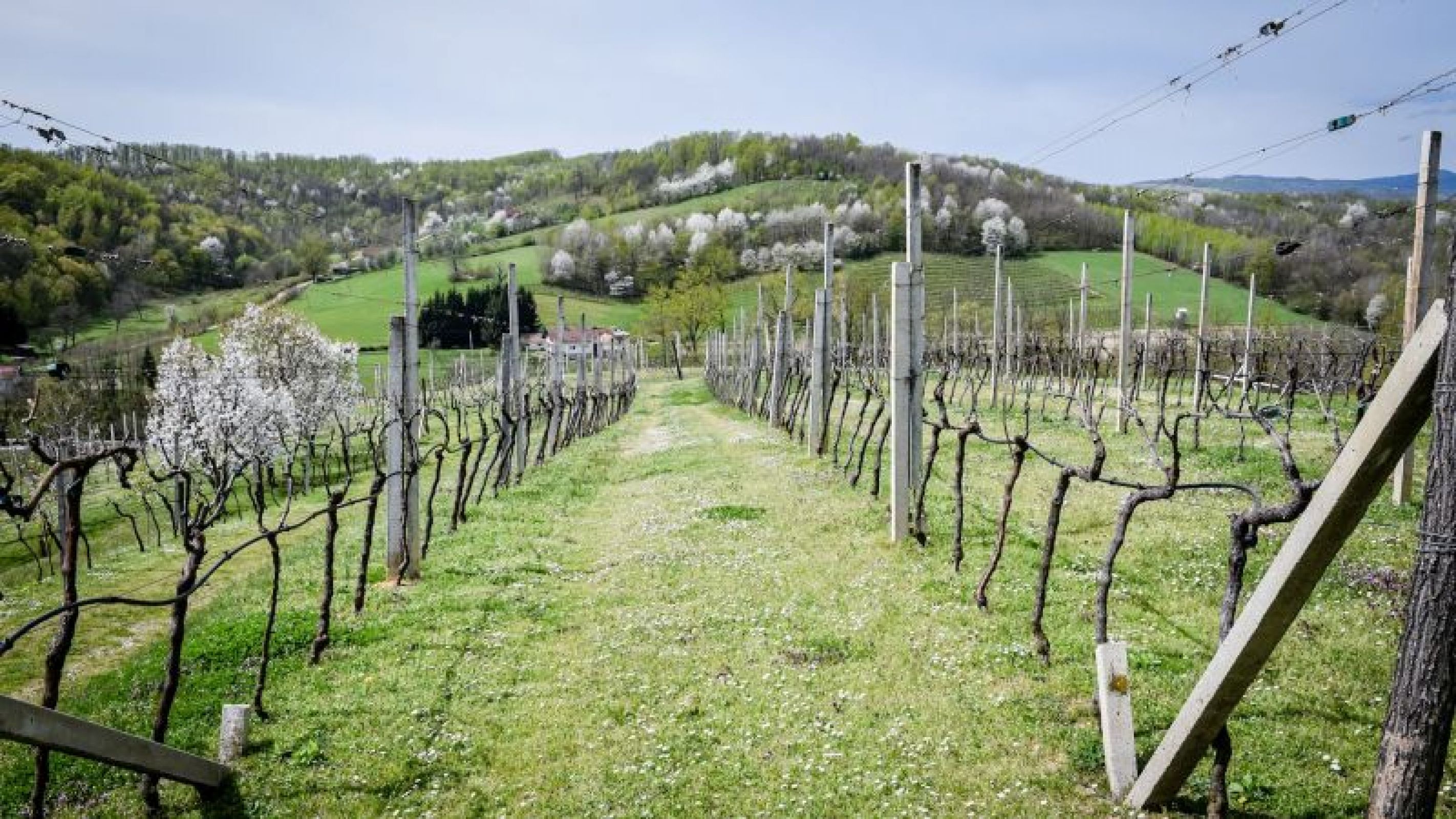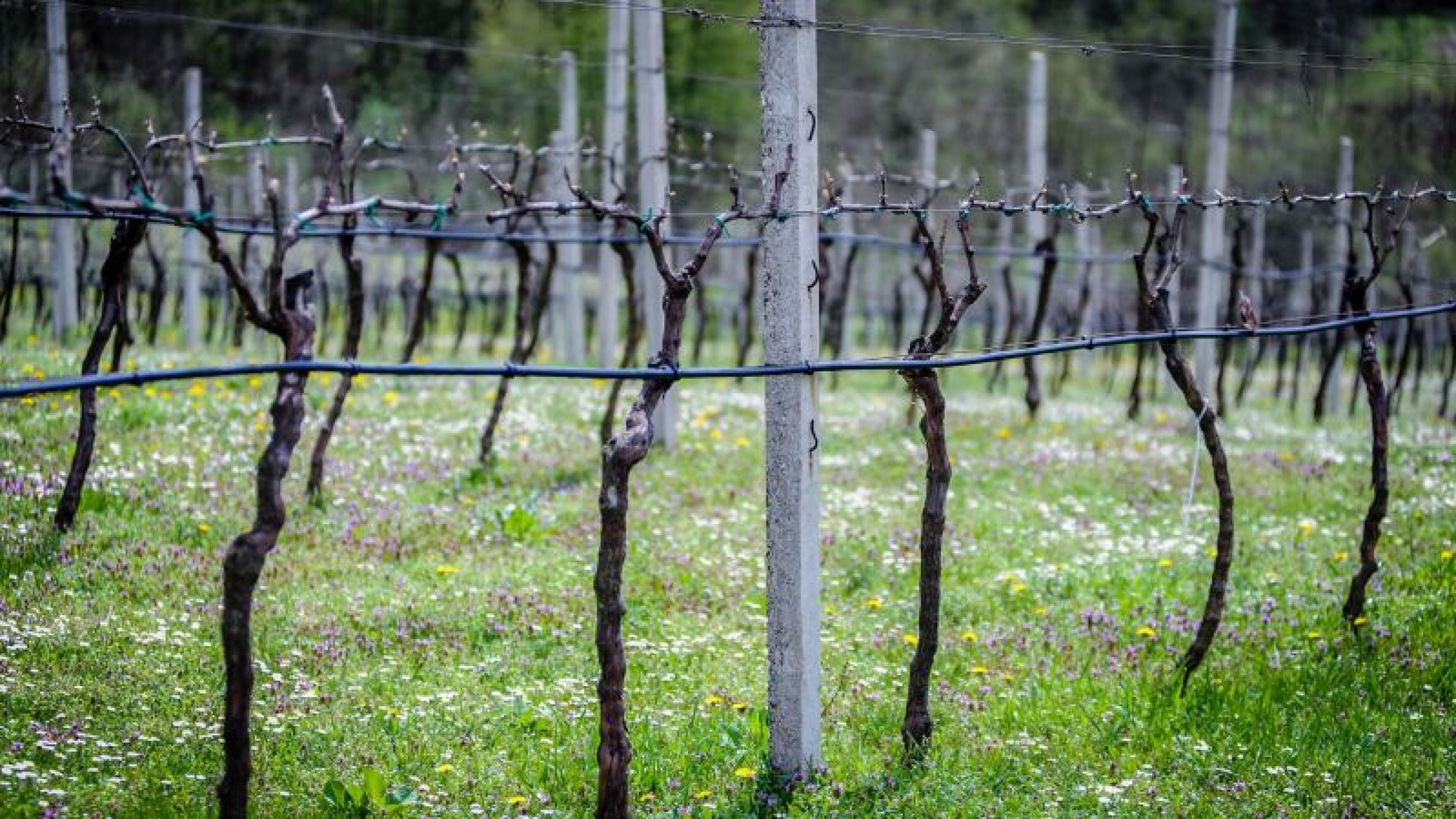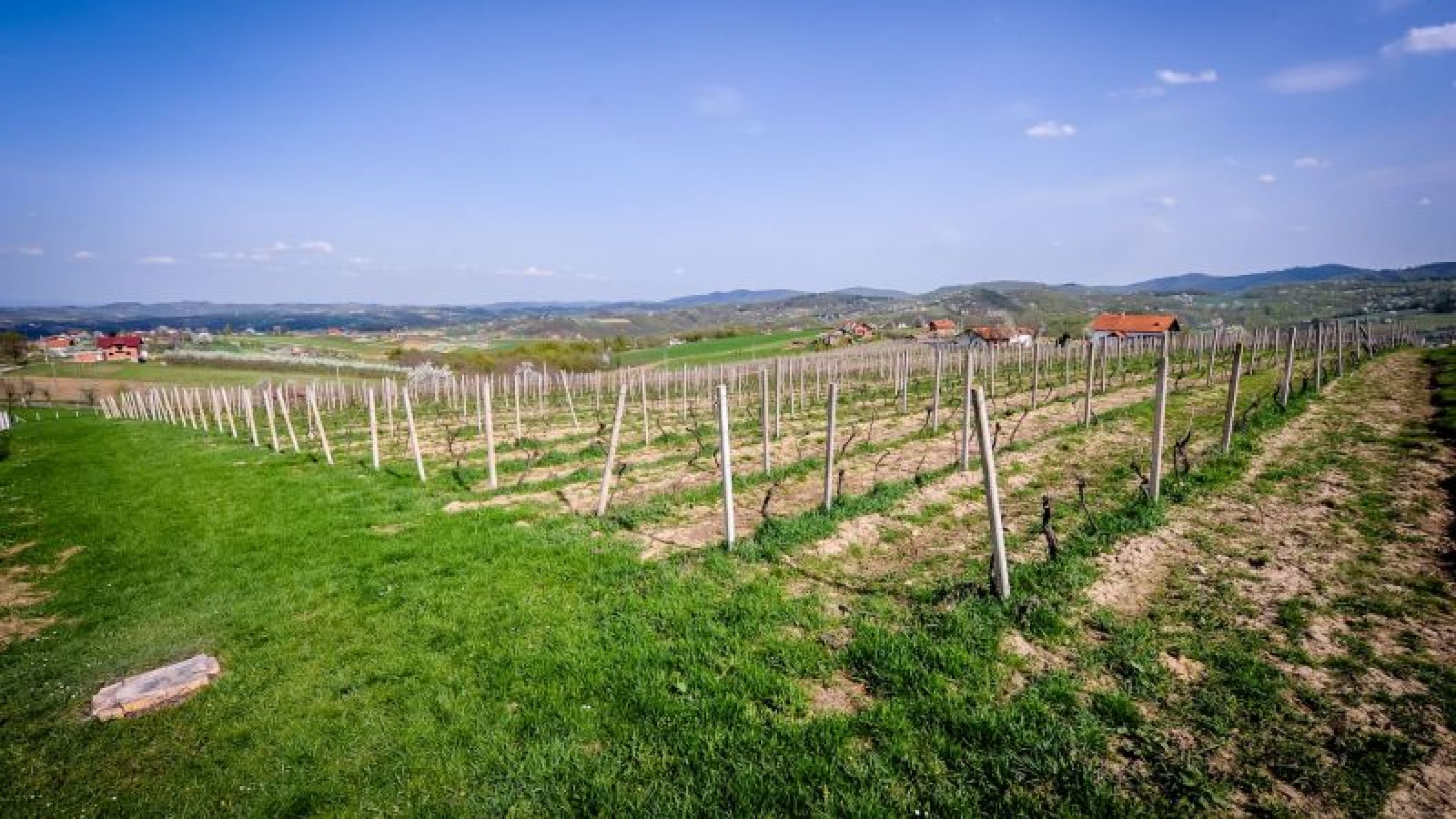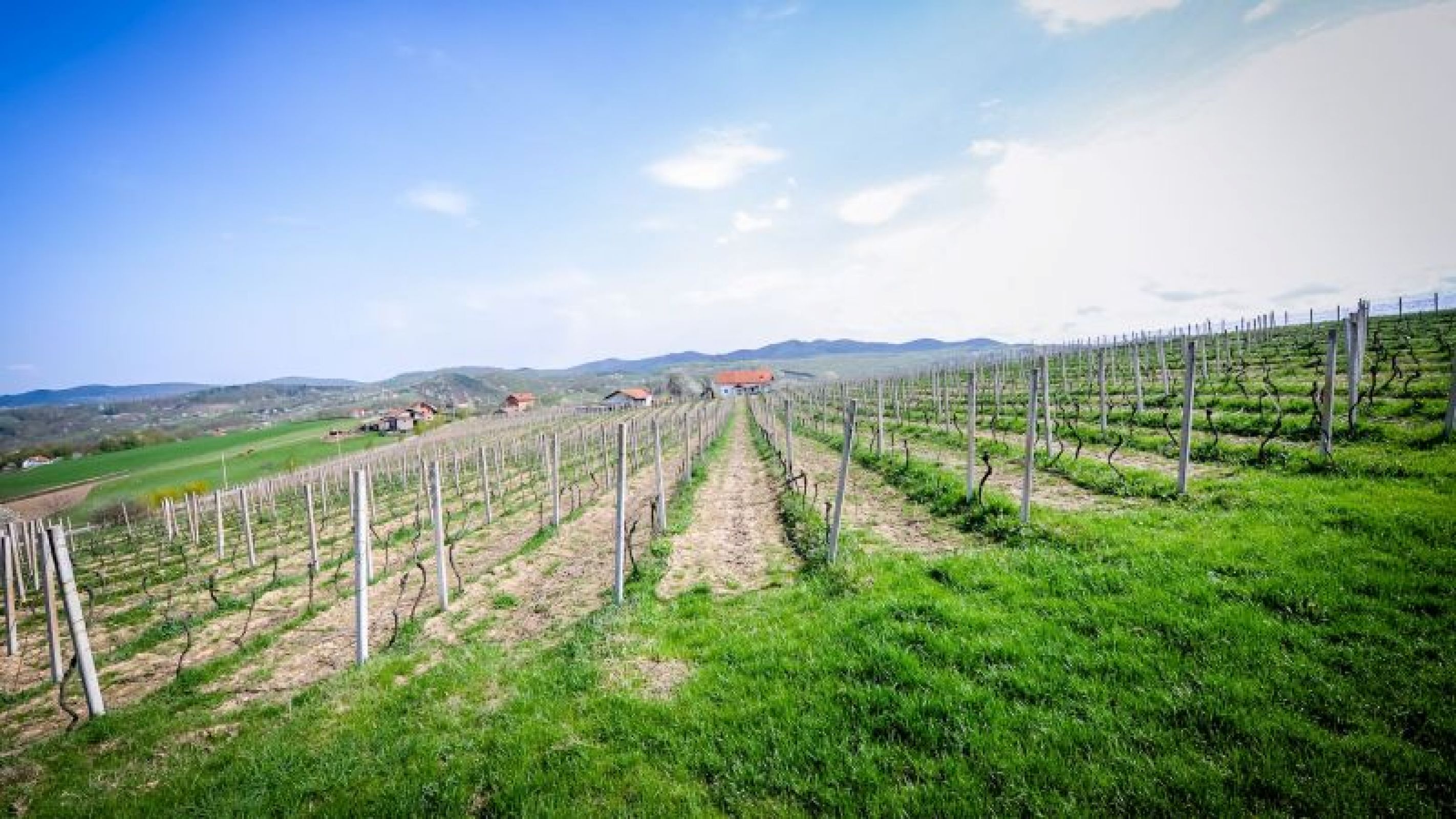

Захваљујући својој богатој историји и
географском положају, али и одличној инфраструктури, Лакташи имају одличну
претпоставку да оправдају имиџ општине за развој виноградарства и искористе као
одскочну даску укупног развоја.
Јасна археолошка грађа говори да се винова
лоза почела узгајати на подручју овог краја, пет хиљада година прије нове ере
јер је то период када је људска заједница с деструктивног ловачког начина
живота полако прелазила на пољопривреду. Према историјским изворима, винову лозу су
из њене постојбине, мале Азије, на Балкан пренијели Трачани, а њен узгој су
прихватили Илири који су тада насељавали ове крајеве.
О узгоју винове лозе у давна времена
најрјечитије говори римско утврђење такозвано римско купатило из периода од I – IV вијека гђе су приликом
ископавања и конзервације, пронађени осликани мотиви винове лозе на пехарима за
вино. Такође су пронађене земљане посуде
за чување вина, тзв. долие.
Период средњег вијека тј., од пропасти
западног римског царства до турске окупације, је и доба велике сеобе народа и
доласка Словена у наше крајеве. Овај период не обиљежавају нека значајнија
археолошка сазнања, а вриједни споменици су свакако стећци чије постојање
датира између 13. и 15. вијека, и који често као мотиве имају младице винове
лозе као и друге мотиве из живота покојника. Доба турске окупације БиХ је
почело 1482. и траје све до 1878. године,
тачније до берлинског Kонгреса. У овом периоду није прекинут континуитет
виноградарско винарске производње, а ово је и раздобље када се почињу узгајати
и прве стоне сорте винове лозе.
Најзапеженији развој виноградарства у
ближој будућности бар што се тиче лакташког поткозарског краја је свакако
долазак Италијана на ово подручје. 57 породица талијанских католика из
провинције Трентино на сјеверу Италије, која је тада припадала је Аустро –
Угарској монархији је након велике природне катастрофе 1883. године одлучило
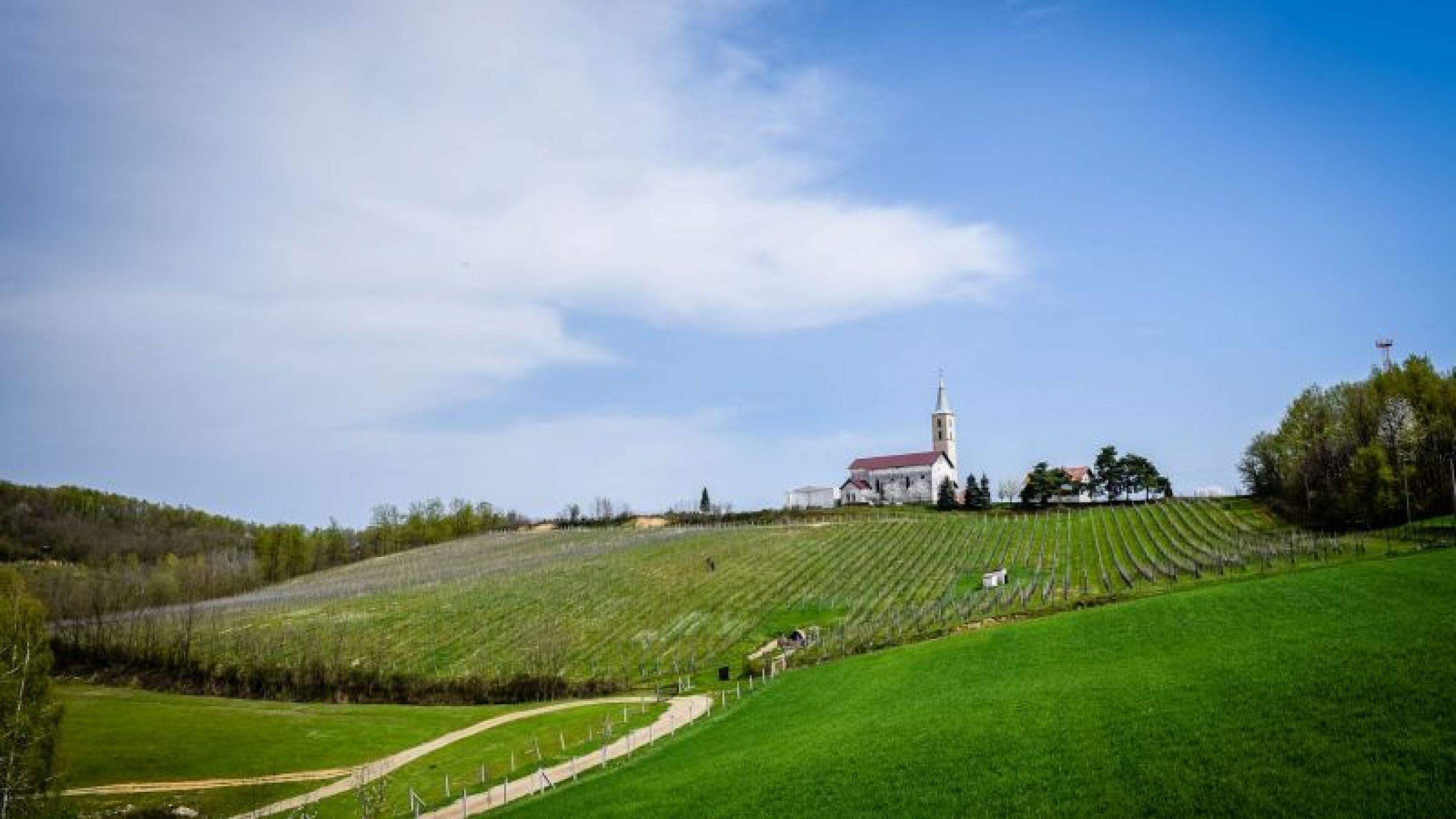
потражити бољу будућност у пређелу Лакташа на брду Маховљани. Kао датум њихова
доласка на подручје жупе Маховљани у спомен камен на улазу у садашњу жупну
цркву св. Фрање Асишког урезан је 20.
септембар 1883. године.
Што се тиче жупског краја битно је
напоменути да пред сам крај деветнаестог вијека код овдашњег становништва се не
може говорити о планском гајењу винове лозе. Претпоставља се да су бањалучки бегови, запосједајући земљу и градећи своје чардаке, донијели
одређене врсте винове лозе које су засађивали око чардака.
Доласком Словенаца у жупски крај око 1930.
године јављају се и први виногради. Словенци су домаћим људима
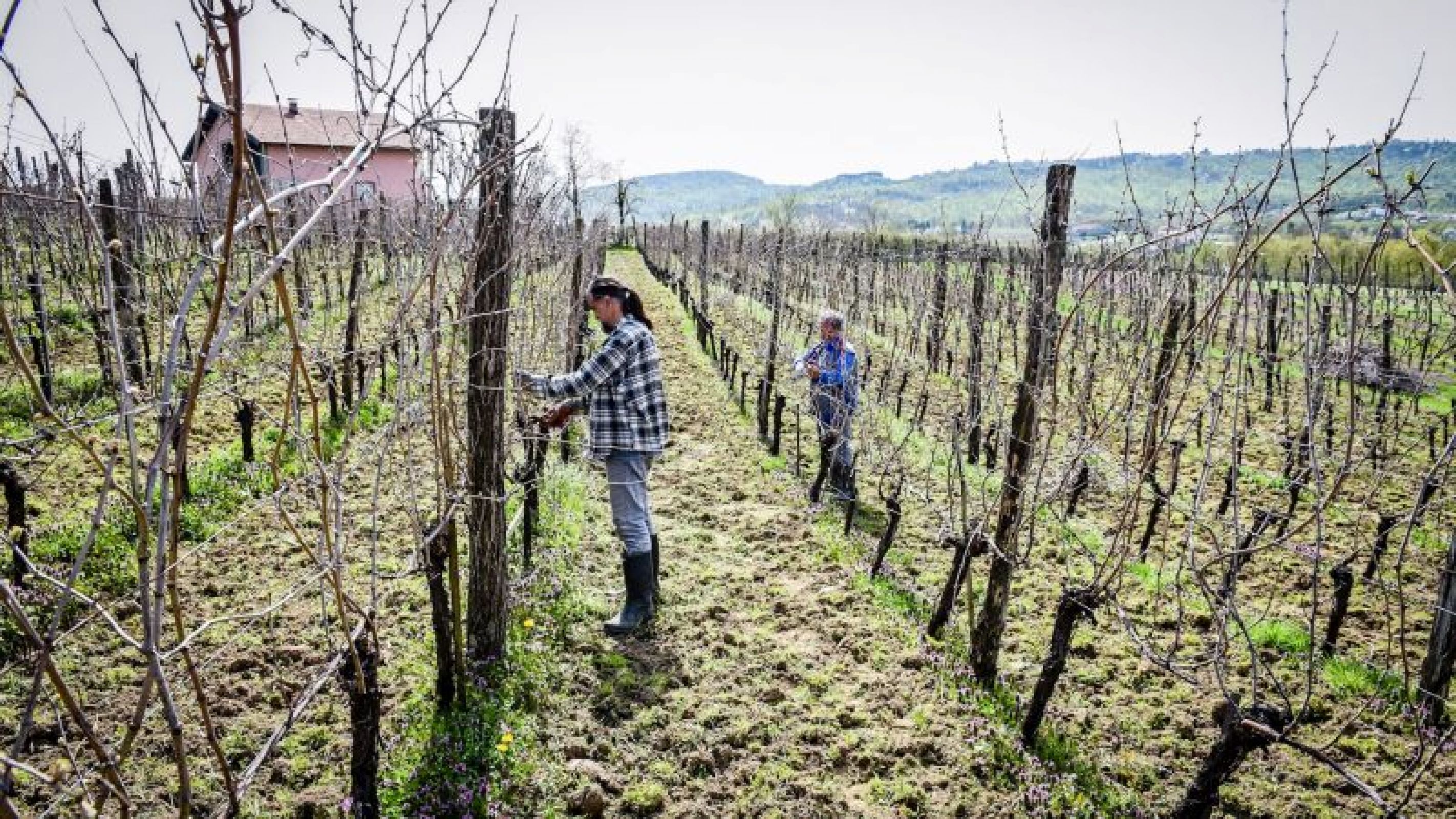
показивали како се лоза сади, узгаја и каква је корис од грожђа. Сељани су сами почели крчити своје бујадаре,
шикаре и претварати их у винограде. Прве сорте које се спомињу су сорте бијелог
директора и црне мирисавке. У то вријеме, вријеме Бановине организовани су
курсеви за виноградаре.
Нажалост у II свејтском рату пола засада је уништено, а и оно што је остало је
због пореских намета виногради су истребљени.
Послије посљедњег рата, а посебно у
периоду првих година овог вијека виноградарство и производња вина поново
добијају на важности те се велике површине поново засађују овом племенитом
биљком. Посебан успон доживљава регија Поткозарја (обронак Kозаре Маховљани) и
Жупе, слатински крај, чији винари успјевају поново да се врате на стазе старе
славе из периода Аустро-Угарске, те бројним међународним признањима за квалитет
подстакну даље омасовљавање и технолошки напредак ове дјелатности. Упркос
тешким економским условима, из године у годину повећавају се површине засађене
виновом лозом и обећавају да ће ова грана пољопривреде бити један од стубова
развоја нашега краја.
Последњих петанест година општина Лакташи
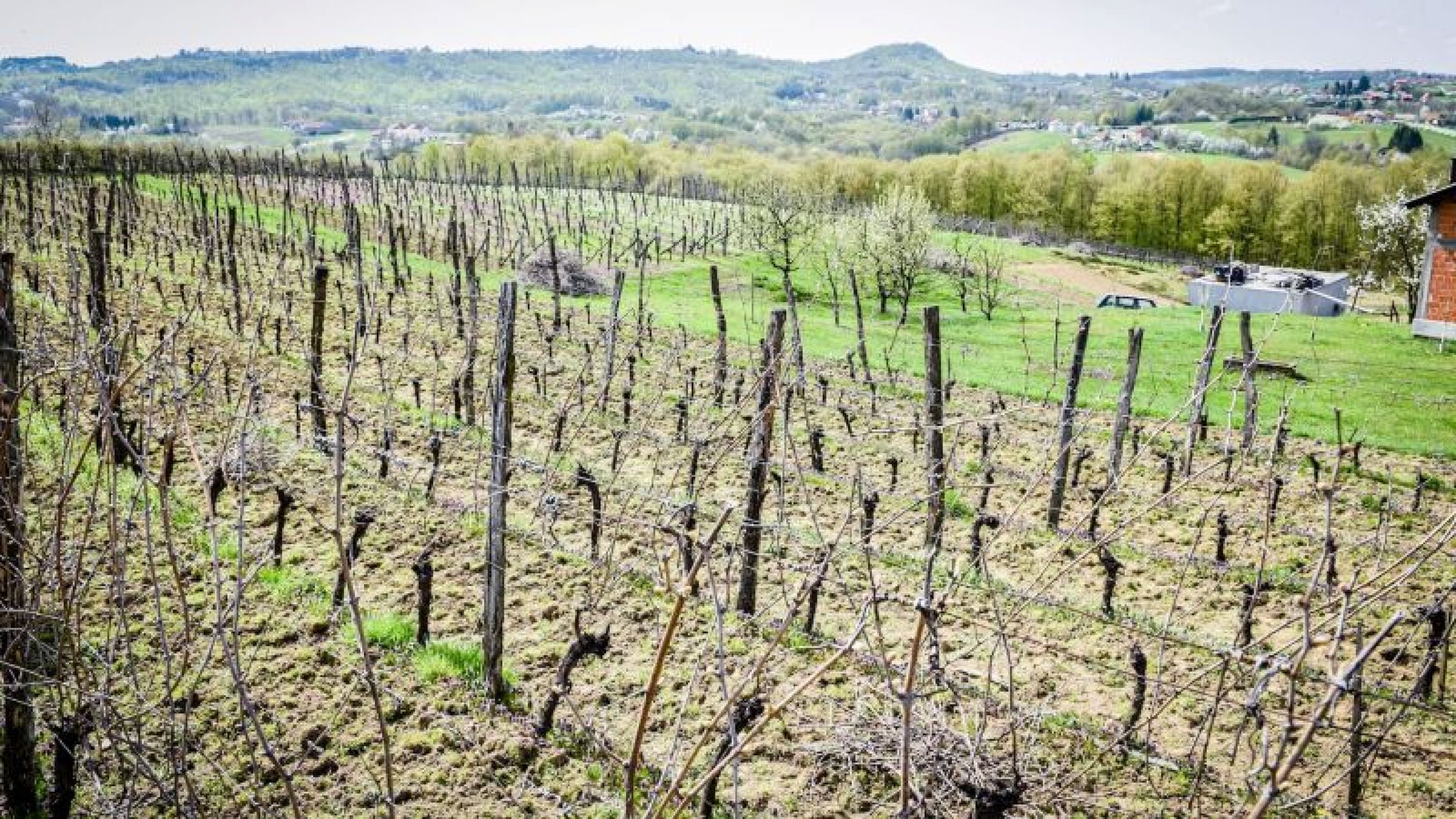
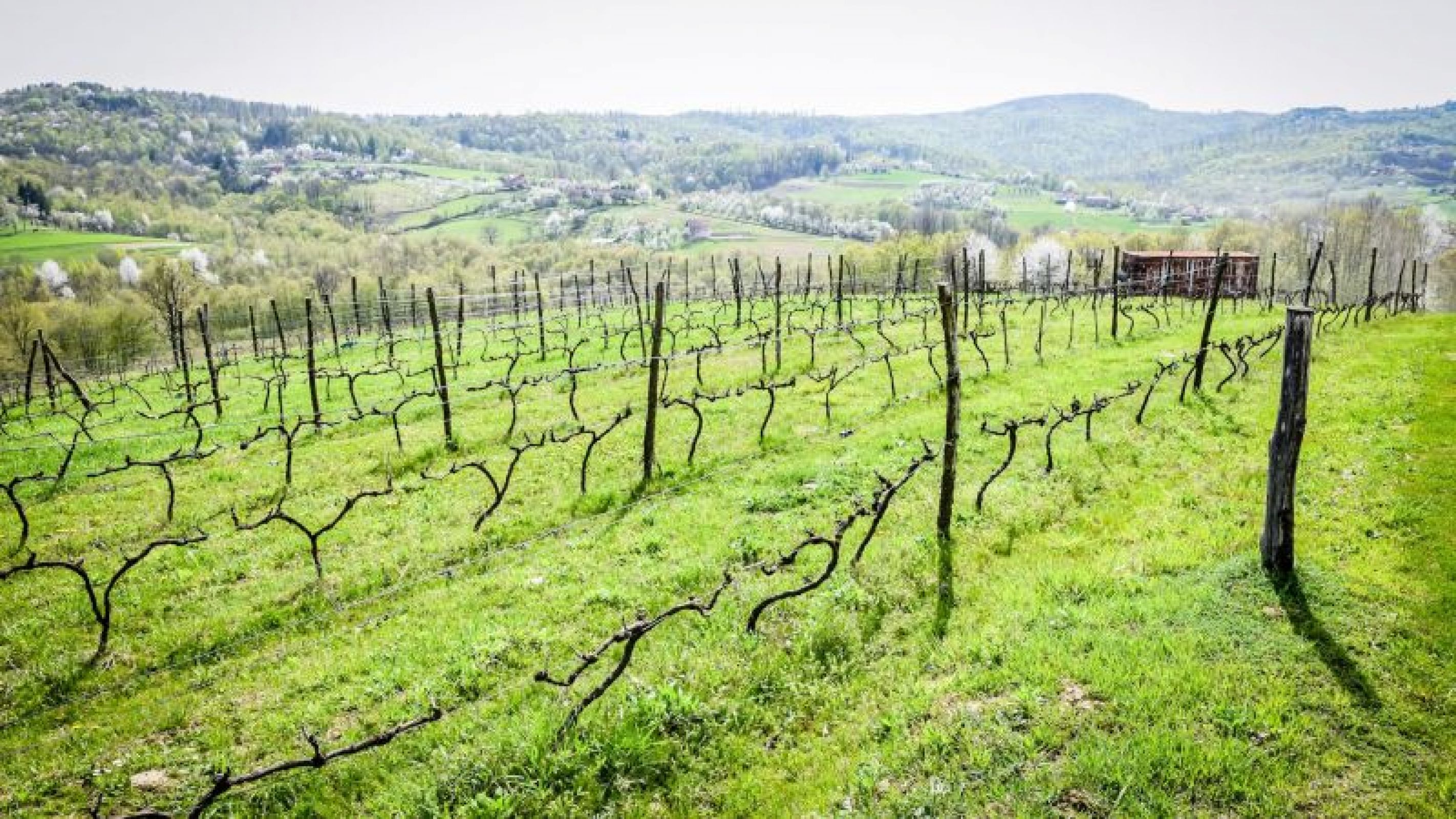
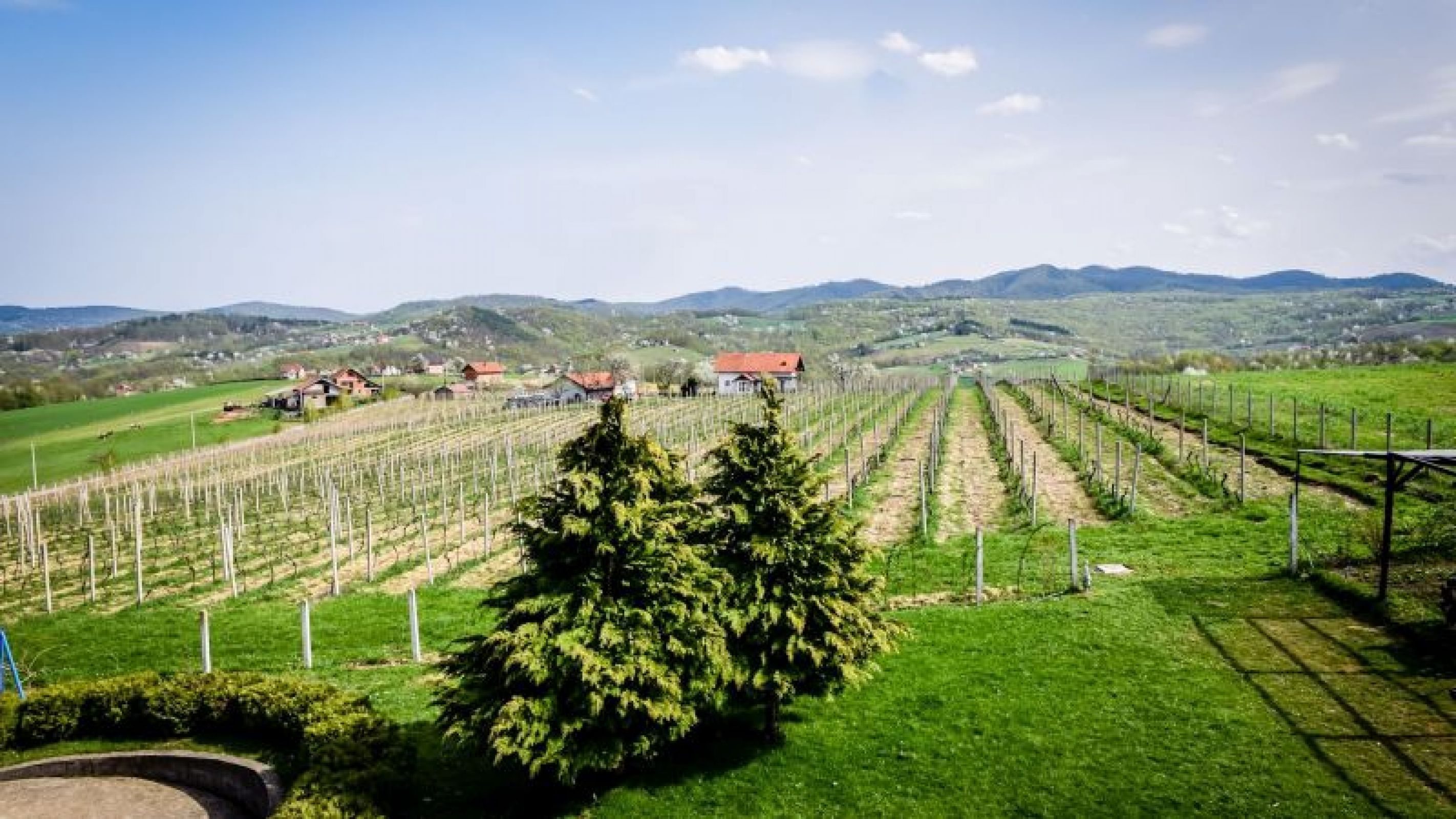
подстиче развој виноградарства и културе узгајања винове лозе. Данас на нашој
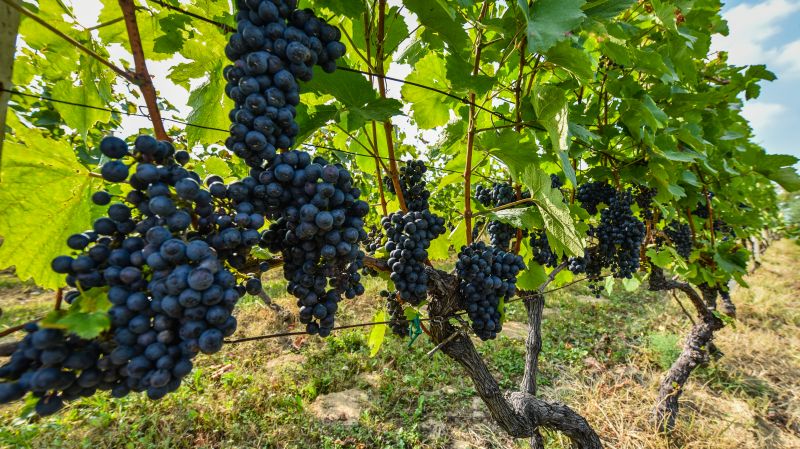
општини имамо засађених 20 хектара винограда и 40 виноградара. Сорте винове
лозе засађене на нашим виноградима су шардоне, совињон бијели, бургундац
бијели, бургундац црни, мерло, цаберне совињон, гаме. Слатина, Јаблан, Трн,
Kобатовци, Бабића Брдо, Бакинци су климатски изразито повољна подручја за узгој
винове лозе.